AquaSnail Bio-Archive // VOL. 01

MysterySnail
Wiki

A complete scientific knowledge archive on Pomacea diffusa husbandry — taxonomy, color genetics, water chemistry, breeding biology, nutrition, and pathology. All in one authoritative reference.

7.2 – 7.8
pH Level
25 – 28 °C
Temperature
8 – 18 dGH
Hardness
0 ppm
Ammonia
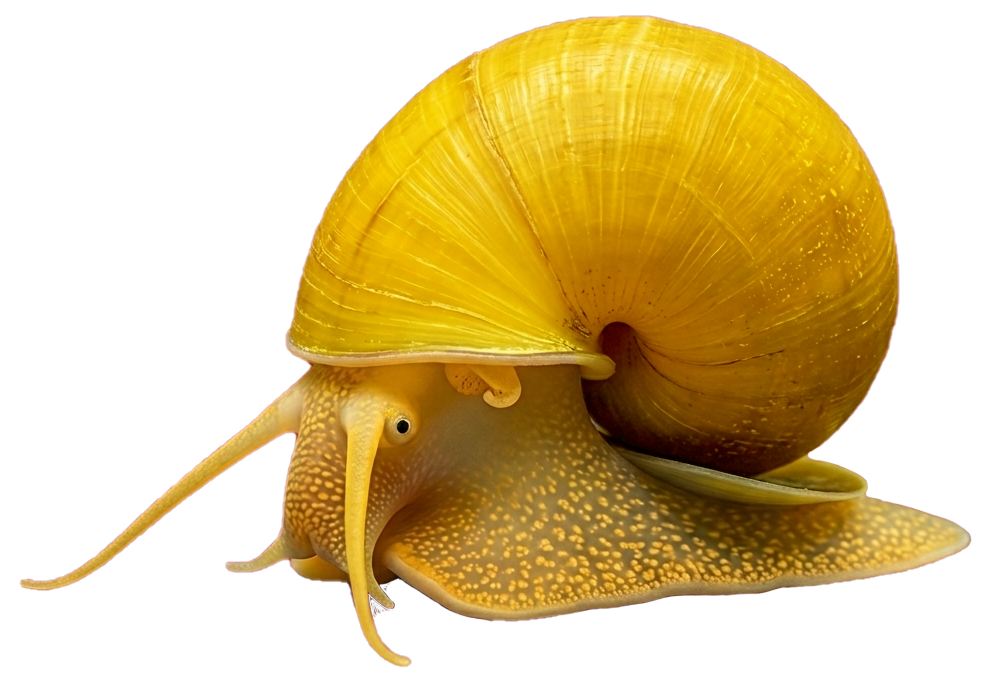
Species Profile · Bio-Archive Pomacea diffusa
Kingdom
Animalia
Family
Ampullariidae
Genus
Pomacea
Origin
South America
Biological Traits
Respiratory System
Bimodal: functional ctenidium gill (aquatic) + pallial lung accessed via extensible siphon (aerial). Regularly surfaces to breathe atmospheric O₂.
Shell Morphology
Dextral spiral coil, 4–5 whorls, domed spire. Aragonite biomineral matrix requires sustained Ca²⁺ and alkaline pH >7.0 to prevent dissolution.
Operculum
Corneous trap-door that seals the shell aperture during dormancy. A detached or deflated operculum signals acute physiological distress.
2in/5cm
Max Size
1–3yr
Lifespan
5Gal/19L
Min. Tank
Module 01 · Taxonomy & Natural History

Species Overview

Class: Gastropoda Order: Architaenioglossa Family: Ampullariidae
Taxonomic Identity

What Is a Mystery Snail?

Pomacea diffusa (Blume, 1957), long misidentified in the hobby as P. bridgesii, is a freshwater gastropod mollusc of the family Ampullariidae — the "Apple Snails." Unlike its invasive cousin P. canaliculata, P. diffusa poses negligible risk to healthy aquatic plants, which makes it uniquely suited to planted aquaria. The common name "Mystery Snail" arose because early aquarists could not explain how juveniles appeared in sealed tanks, years before its above-waterline egg-laying biology was described.

  • Family: Ampullariidae — approximately 150 freshwater species globally distributed across tropical South America, Africa, and Asia
  • Range: Bolivia, Brazil, Peru; slow-moving rivers, floodplain lakes, and marshes of the Amazon and Paraná drainage basins
  • Respiration: Bimodal — uses a ctenidium gill for dissolved-oxygen extraction in water, plus a vascularised pallial lung accessed via an extensible siphon for aerial breathing at the surface
  • Unique trait: Only freshwater aquarium snail known to deposit calcified egg clutches entirely above the waterline, requiring humid aerial conditions for successful incubation
  • Sex: Strictly dioecious — biologically separate males and females; no hermaphroditism; cannot self-fertilize
  • Diet: Detritivore-herbivore; grazes periphytic biofilm, decaying organic matter, soft algae, and blanched vegetables; does not attack living rooted aquatic plants
Anatomical Reference

External Anatomy

Familiarity with the key external structures of P. diffusa is essential for health monitoring, sexing, and recognising early signs of pathology.

Operculum
A rigid corneous disc attached to the dorsal surface of the foot. When the snail retracts into its shell, the operculum seals the aperture, protecting soft tissue from desiccation and predators. A healthy operculum is firm, flush with the shell lip, and free of cracks. A sunken, loose, or detached operculum is the primary clinical indicator of severe physiological stress — often indicating ammonia poisoning, advanced calcium deficiency, or imminent death.
Siphon
An extendable muscular tube on the left side of the head, derived from the mantle margin. The snail extends the siphon above the water surface to draw atmospheric air into the pallial lung cavity. Siphon extension frequency increases in warm water with reduced dissolved oxygen, in response to poor aeration, or during pre-oviposition behaviour when females ascend the tank walls. Repeated frantic siphoning without surfacing may indicate dangerous ammonia levels.
Tentacles & Eyes
Two pairs of cephalic tentacles: a long upper pair (chemoreceptors and mechanoreceptors) and a shorter lower pair flanking the mouth. The eyes sit on short immobile stalks at the base of the upper tentacles — not at the tips. Tentacle nipping by tank mates is a common injury; partial regrowth is possible over 2–4 weeks if the stalk base is intact.
Shell Structure
Dextrally coiled with 4–5 whorls, a blunt apex, and a wide umbilicus. The shell layers from outer to inner: periostracum (organic protein layer — provides colour and erosion protection), prismatic layer (calcite crystals), and nacreous layer (aragonite — primary structural strength). All three layers require adequate Ca²⁺, HCO₃⁻, and alkaline pH for correct biomineral deposition.
Hobbyist Suitability Index
80%
Highly Beginner Suitable
Hardier than most invertebrates
  • Will not consume healthy, rooted aquatic plants — safe for planted tanks
  • Compatible with most peaceful community fish species
  • Controlled reproduction — egg clutches are deposited above the waterline and easily removed before hatching
  • Diurnal activity pattern — active and observable during daylight hours
  • Effective algae scavengers; significantly reduces glass algae and detritus accumulation
  • !Requires a tightly fitting lid — adept climbers that escape from open tanks, especially at night
  • !Acutely sensitive to dissolved copper at any detectable concentration — all medications must be copper-free
  • !High bioload per individual — robust biological filtration is mandatory before introduction
Biogeography & Ecology

Natural Habitat Profile

South America · Freshwater
Water Body
Lentic & Slow Lotic
Floodplain lakes, oxbow pools, marshes, irrigation canals, and river margins — all characterised by very low to no current, high turbidity, and seasonal fluctuations in water level.
Substrate
Fine Silt / Organic Mud
Soft silty or muddy bottoms rich in decaying organic matter. In captivity, fine-grain inert substrates such as pool filter sand or Fluval Stratum are recommended; coarse gravel risks operculum damage during locomotion.
Vegetation
Dense Macrophytes
Dense emergent and submerged macrophyte beds including wild-type relatives of Java Fern, Hornwort, and Vallisneria. Plants provide biofilm surfaces for grazing, shaded refugia, and elevated launch points for oviposition.
Dry Season
Aestivation Capable
During drought, seals the aperture with a calcareous epiphragm and burrows into moist substrate, entering a metabolically depressed dormancy. This adaptation explains the snail's remarkable tolerance of accidental desiccation in captivity.

Wild P. diffusa populations experience pronounced wet/dry seasonal cycles with water temperatures ranging 22–30 °C, pH 6.8–7.6, moderate general hardness (6–14 dGH), and minimal water movement. In captivity, targeting the upper end of these ranges — pH 7.4–7.8, GH 12–18 dGH, temperature 25–28 °C — provides optimal conditions for shell integrity, immune function, and reproductive fitness. The natural detritus-rich diet is approximated in captivity through a combination of biofilm cultivation, blanched vegetables, spirulina-based supplements, and calcium-rich supplementation such as cuttlebone.

Module 02 · Phenotypic Genetics

Color Morph Index

Shell and body colour in Pomacea diffusa are controlled by at least three independently
assorting genetic loci governing periostracum pigmentation, whorl banding, and soft-tissue (foot + mantle) colour.

Genetic Architecture of Colour Expression
Locus A — Shell Base Colour
Periostracum Pigmentation
The outermost shell layer (periostracum) contains melanin and/or carotenoid pigments deposited by the mantle epithelium. Wild-type alleles produce dark melanin, yielding brown to olive base colours. Recessive loss-of-function alleles reduce or eliminate melanin: heterozygotes often show lighter brown; homozygous recessives produce yellow (carotenoid-dominant) or white (no pigment). Blue morphs appear to arise from structural interference colouration in the prismatic calcite layer beneath a nearly depigmented periostracum.
Locus B — Banding Pattern
Spiral Whorl Striping
A second independently assorting locus controls whether the shell displays dark spiral bands along the whorl sutures. In wild populations, striped patterns predominate and likely provide camouflage against predation. In captive-bred lineages, selective pressure for solid-colour morphs has made banded individuals less common but they still appear regularly in mixed-lineage crosses. Banding is inherited in a pattern consistent with incomplete dominance — heterozygotes often show faint or partial banding.
Locus C — Body/Foot Colour
Soft-Tissue Pigmentation
The foot, mantle, head, and tentacles carry a completely independent melanin system from the shell periostracum. Dark-bodied morphs have melanin-saturated epidermis (dark grey to nearly black); ivory-bodied morphs are recessive at this locus and express cream-to-white soft tissue. Because shell colour and body colour are genetically independent, the combination of any shell morph with any body colour is theoretically possible — yielding the desirable "Gold Ivory" (yellow shell + white body) or dramatic "Black Ivory" (black shell + white foot) phenotypes.
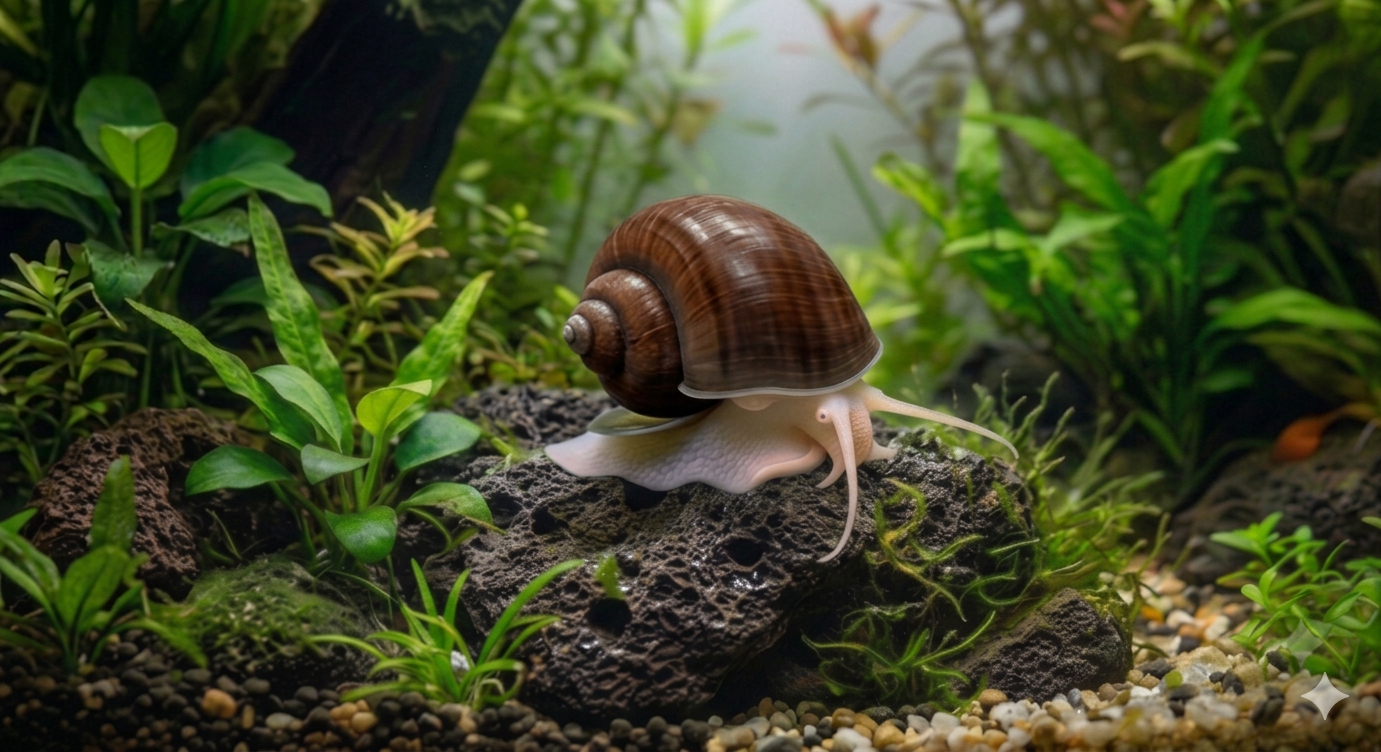
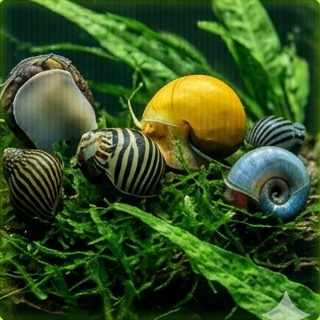
Ivory White mystery snail
COMMON

Arctic Ivory / White

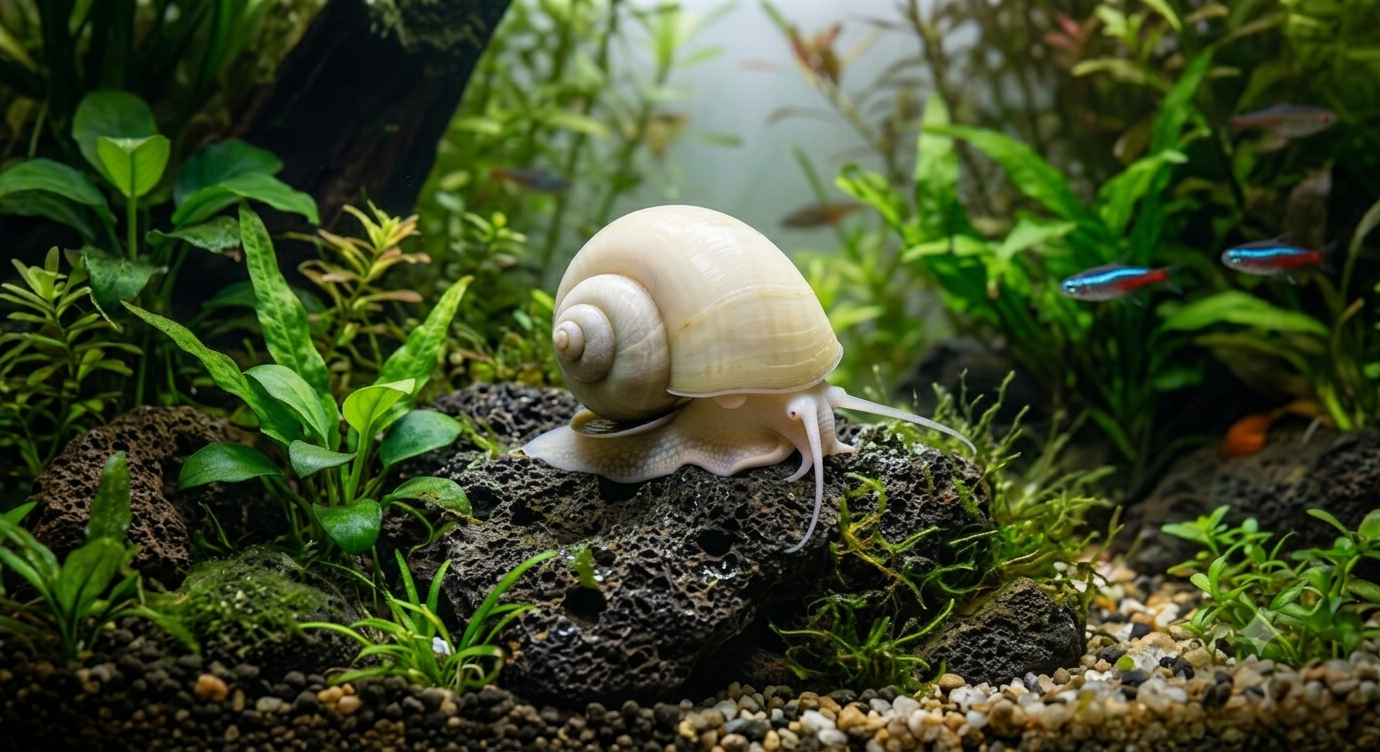
Complete melanin suppression at both shell and body loci. Snow-white shell with cream-ivory foot — the classic albino phenotype; thinner periostracum makes it more sensitive to acidic water.

Gold Yellow mystery snail
VERY COMMON

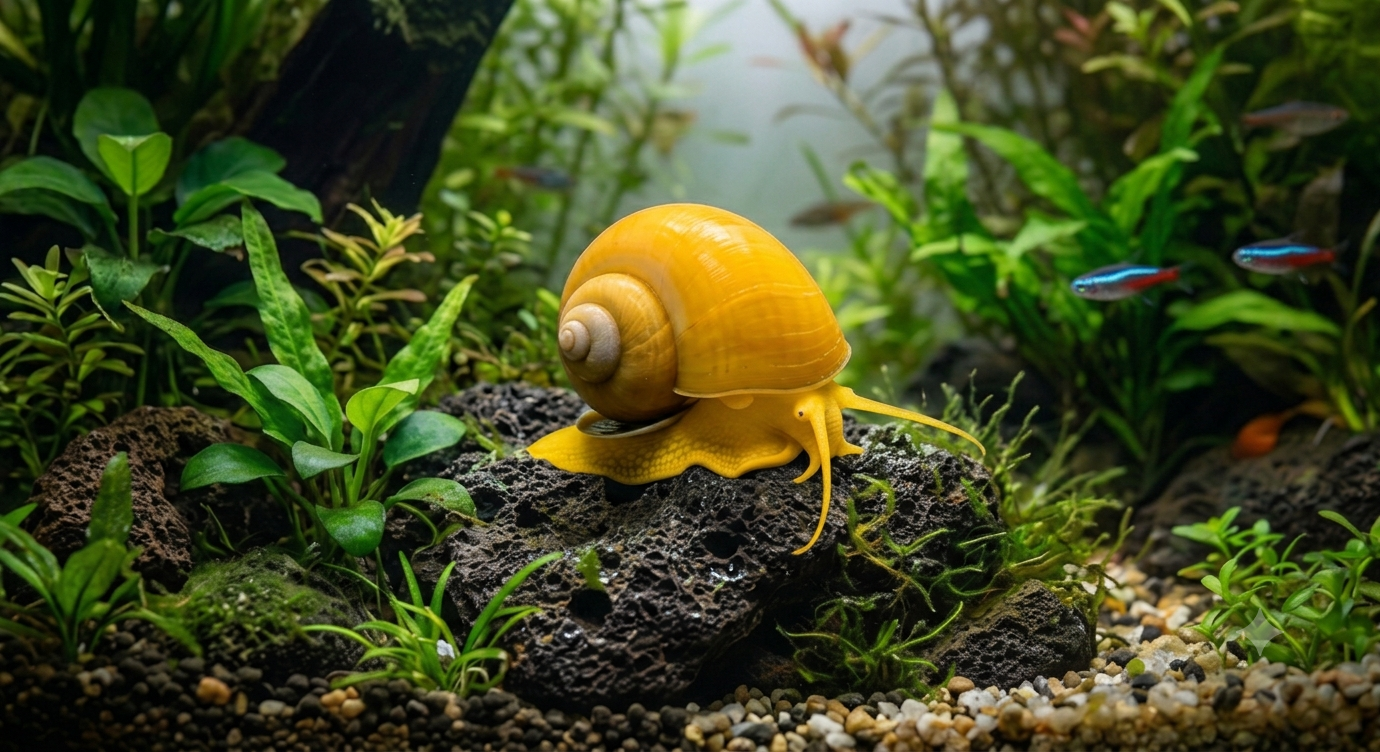
Gold / Yellow

Carotenoid pigments dominate the periostracum, yielding lemon-to-amber shells. The "Gold Ivory" variant (yellow shell + white foot) is the hobby's best-selling morph.

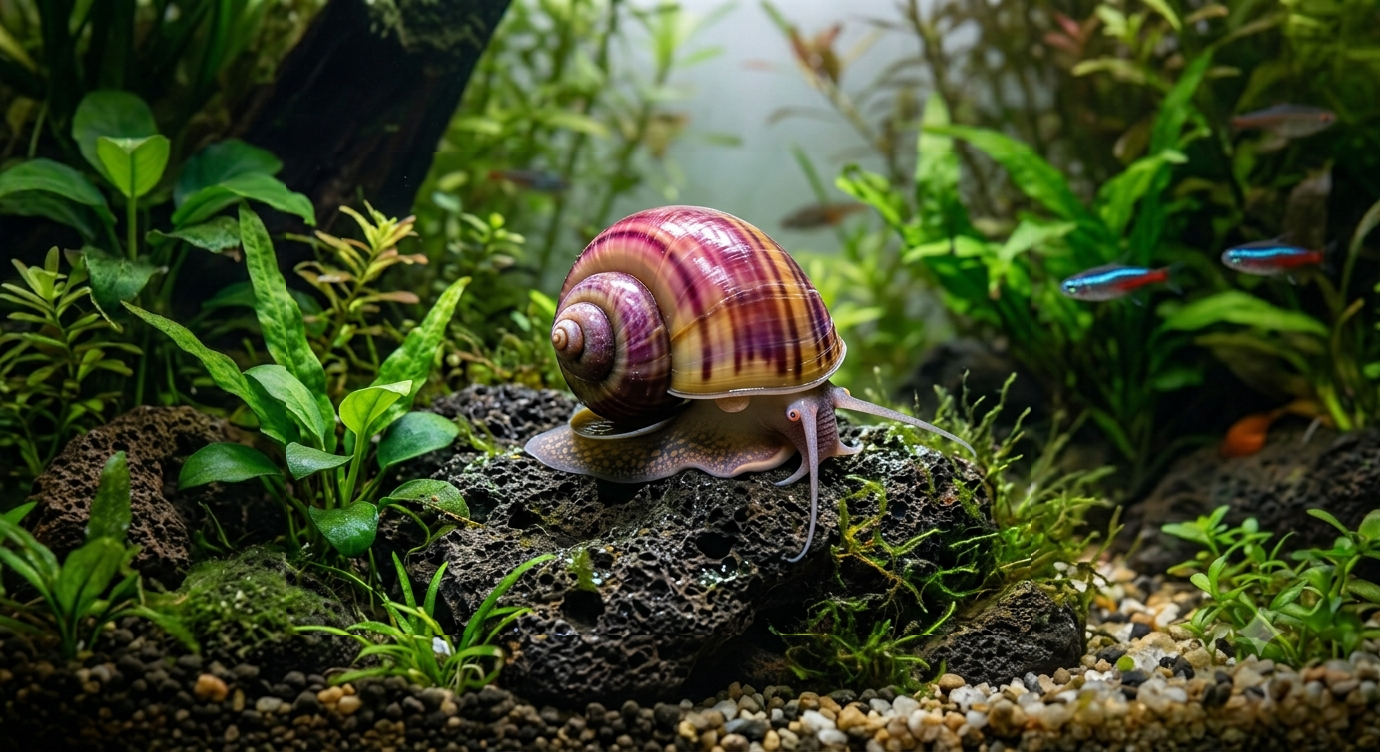
Purple Violet mystery snail
RARE

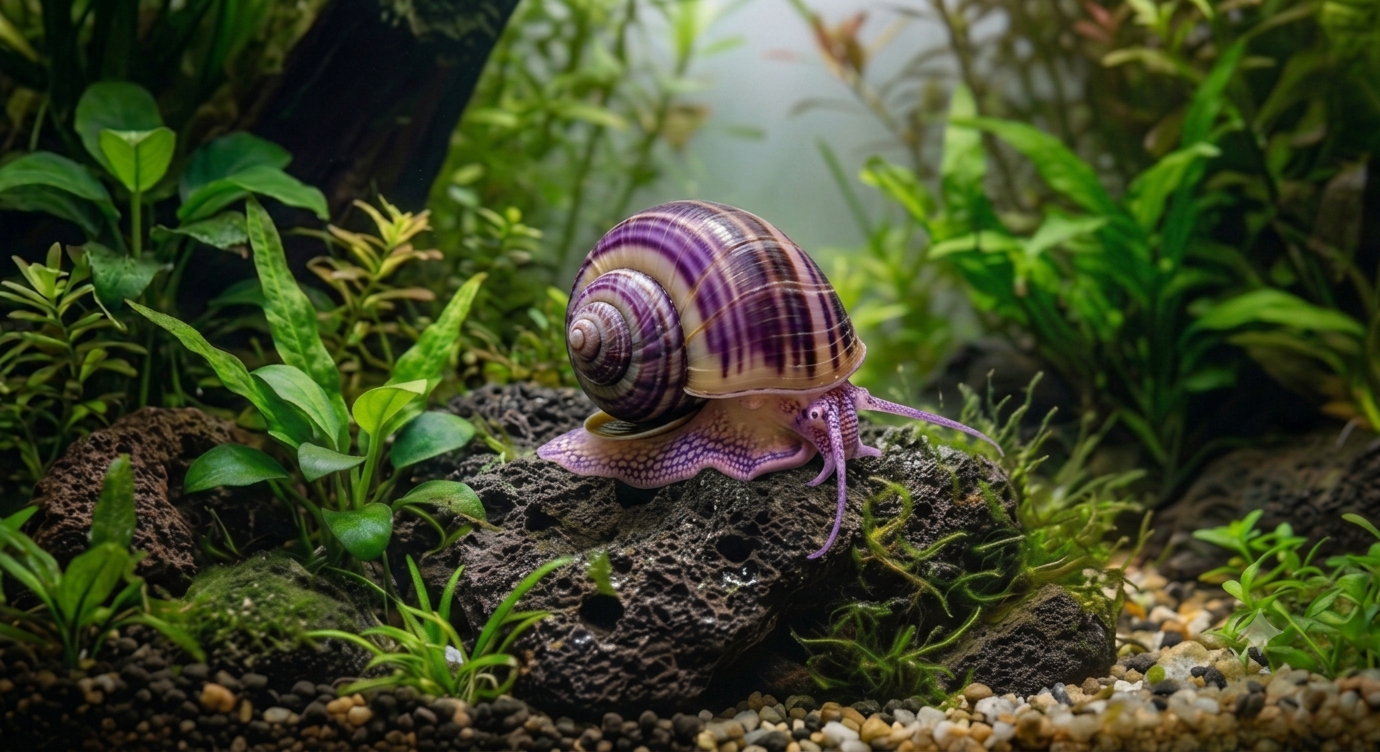
Purple / Violet

Multi-locus recessive architecture creates the deep violet hue via partial melanin reduction + structural colouration in the calcite layer. Colour intensity is highly pH-dependent — fades markedly below pH 7.0.

Blue mystery snail
VERY RARE

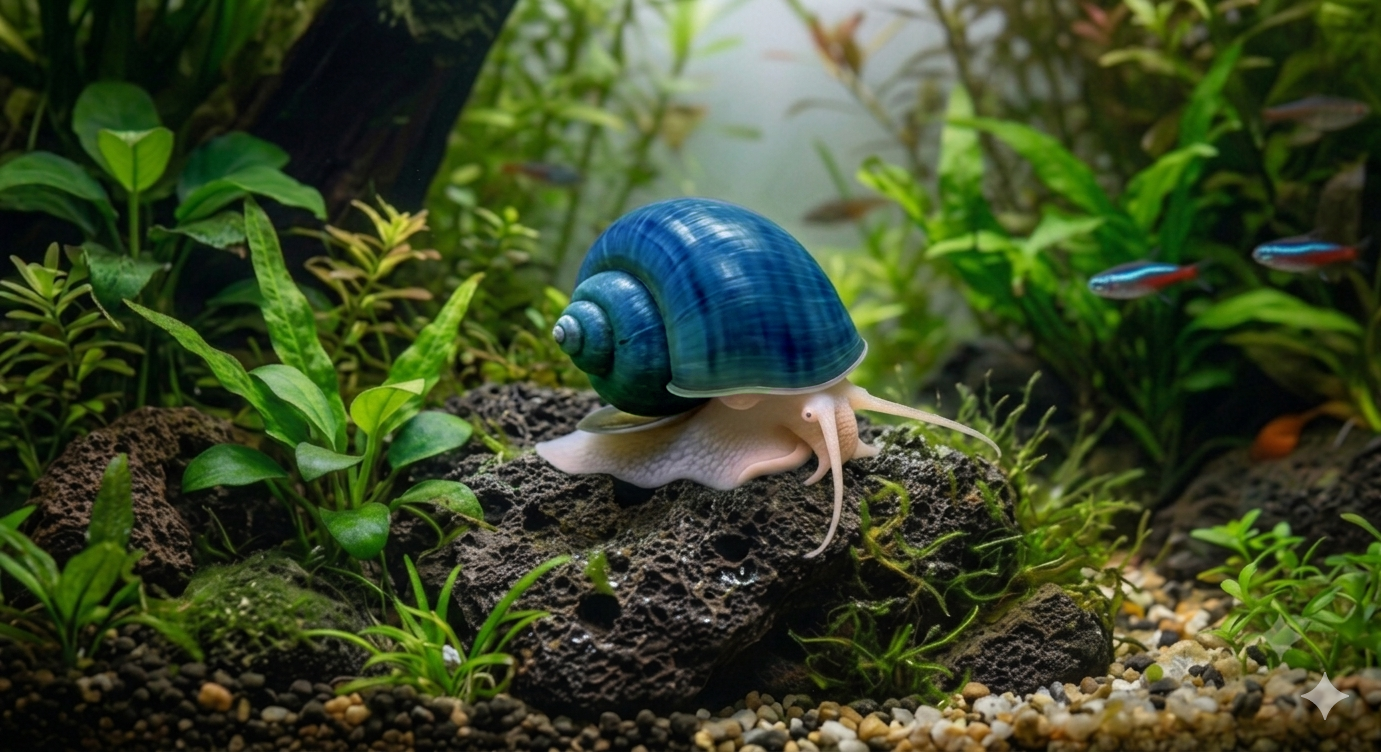
Blue / Powder Blue

The rarest phenotype — true blue arises from structural (thin-film) colouration in the calcite layer beneath a nearly depigmented periostracum. Extremely pH-sensitive; not recommended for beginners.

Jade Green mystery snail
UNCOMMON

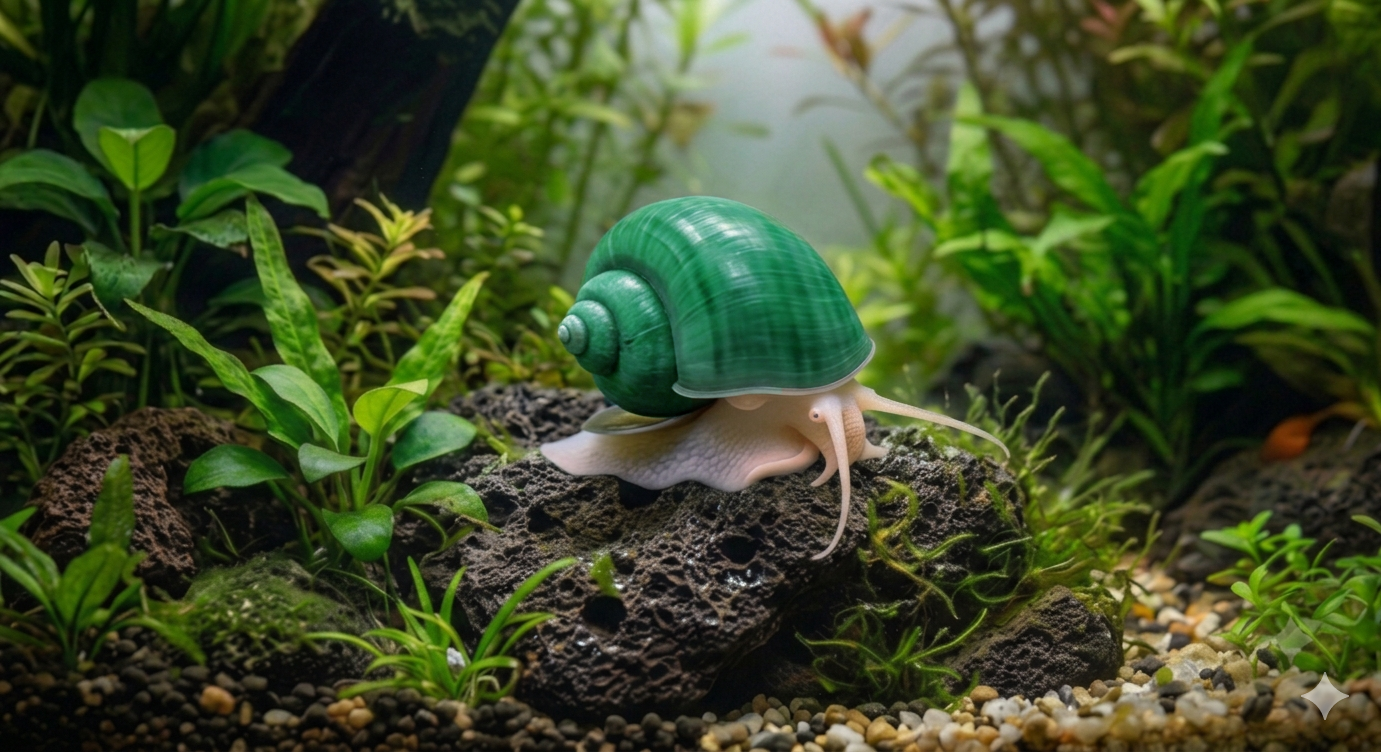
Jade / Olive Green

Co-expression of residual melanin and carotenoid pigments creates warm olive-to-sage green shells. Colour saturation is strongly diet-responsive — spirulina and green vegetables deepen the hue.

Chocolate Brown mystery snail
COMMON

Chocolate Brown

High melanin expression yields rich warm-brown shells closest to the ancestral wild-type. The thick periostracum confers the greatest natural resistance to mild acid erosion.

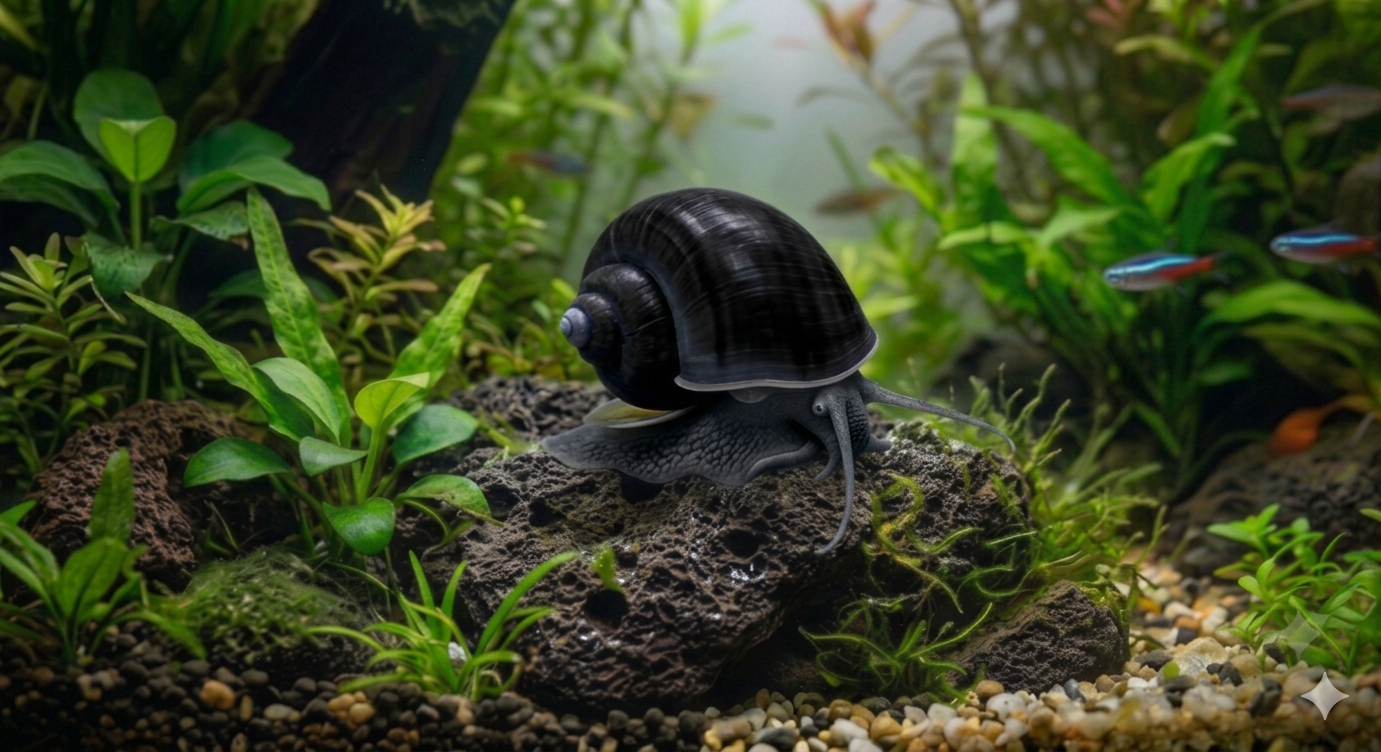
Midnight Black mystery snail
UNCOMMON

Midnight Black

Maximum melanin at both shell and body loci. Juveniles hatch caramel-brown and darken over 4–8 weeks. The dense melanin periostracum is the most chemically resistant of all domestic morphs.

Magenta Pink mystery snail
RARE

Magenta / Pink

Rose-to-fuchsia phenotype driven by specific carotenoid pathways. Highly nutrition-dependent — astaxanthin-rich foods maintain vivid colour; poor diet fades shells toward pale salmon within weeks.

Additional documented morphs:
Golden Ivory Jade Ivory Wild-type Olive Lavender Lilac Peach / Cream Dark Chocolate Slate Grey Forest Green Mango Yellow
Module 03 · First-Time Setup

Beginner Guide

Everything a first-time keeper needs: nitrogen cycle fundamentals, equipment selection, water
parameter science, plant selection, and common setup mistakes.

Difficulty: Beginner Min Tank: 5 Gal / Snail
Water Chemistry · Complete Reference
/water-parameters-mystery-snail/

Water Parameter Reference

Parameters · Stable
pH Level
7.2–7.8
Alkaline pH is essential for shell integrity. Aragonite (CaCO₃) — the primary shell biomineral — begins dissolving chemically at pH below 7.0. Between pH 6.5–7.0, dissolution outpaces mantle secretion, causing thinning and pitting. Target 7.4–7.6 for optimal shell deposition. In CO₂-injected planted tanks, monitor pH constantly as CO₂ injection drives pH down; running CO₂ alongside mystery snails requires careful balancing with KH buffering to prevent pH crash.
Temperature
68–82°F
Optimal: 25–27 °C (77–81 °F). Warmer water (28 °C+) increases metabolic rate, activity, and growth speed — but also shortens lifespan significantly. Cooler water (22–24 °C) dramatically extends longevity to 2–3+ years. Avoid temperature fluctuations >2 °C within 24 hours, which stress the immune system and trigger temporary feeding cessation. Below 18 °C, snails enter torpor; above 30 °C, fatal heat stress develops within hours.
Hardness GH / KH
12–18 dGH
GH (General Hardness) measures dissolved Ca²⁺ and Mg²⁺ — the direct building blocks of aragonite shell. KH (Carbonate Hardness) buffers pH against acid fluctuations. Minimum viable GH: 8 dGH. Ideal: 14–18 dGH. In soft-water regions, add cuttlebone, crushed coral (in filter media), or commercially prepared mineral supplements. Never use distilled or RO water without re-mineralising — zero GH causes rapid shell dissolution and death within weeks.
Nitrogen · Ammonia
0 ppm
Ammonia (NH₃/NH₄⁺) and nitrite (NO₂⁻) must read 0 ppm at all times. Mystery snails produce significant ammonia relative to body size — a single adult generates bioload comparable to a medium tropical fish. Tank must complete the full nitrogen cycle (typically 4–6 weeks using fishless cycling with ammonia dosing) before snails are introduced. Once established, maintain nitrate (NO₃⁻) below 20 ppm via weekly water changes.
Setup Protocol

Tank Setup Checklist

Aquatic Plant Compatibility

Safe Plants for Snail Tanks

P. diffusa grazes periphytic biofilm on leaf surfaces — it does not attack living rooted plant tissue. The four species below are reliably safe and provide excellent biofilm surfaces for continuous grazing.

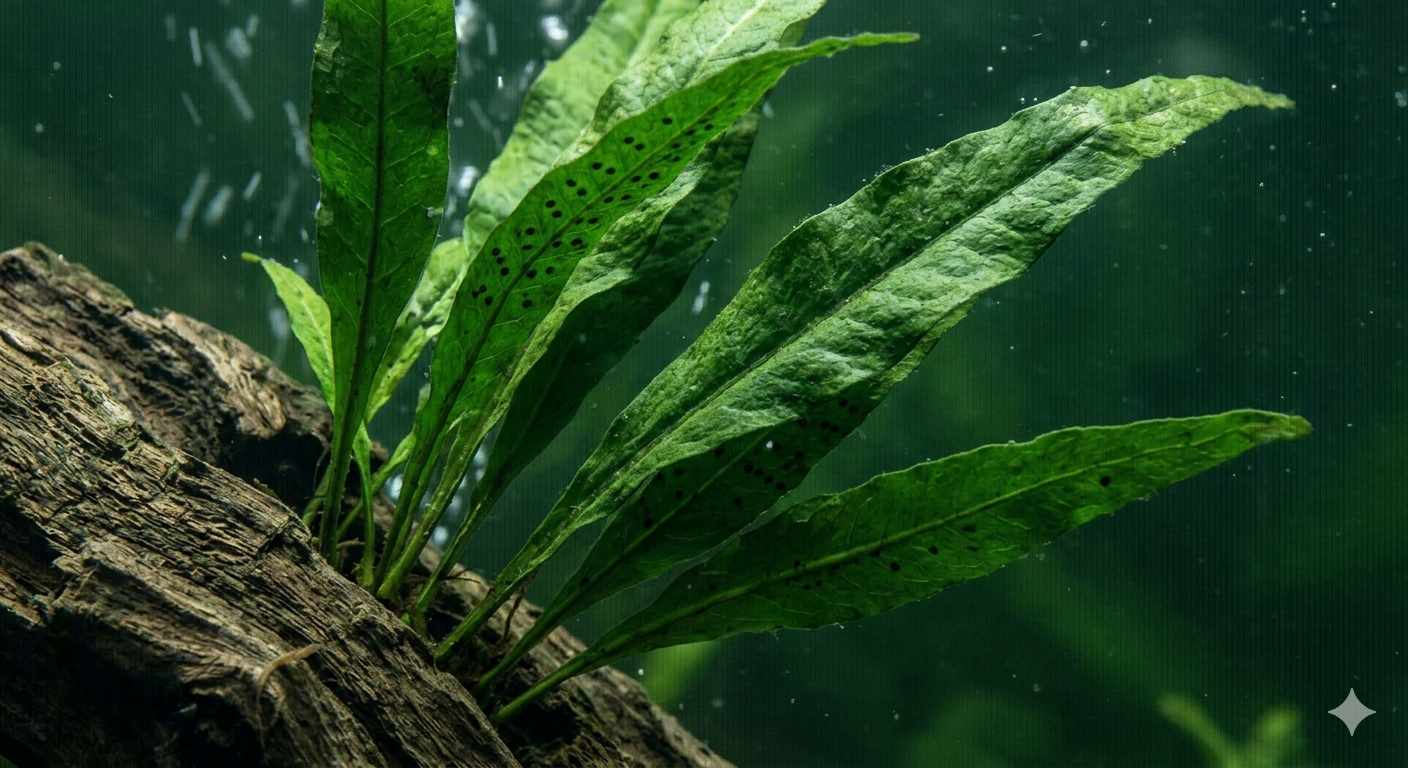
Java Fern
Java Fern
SAFE
Microsorum pteropus

Thick, leathery leaves ignored by snails entirely. Attaches to driftwood — no substrate needed. Excellent biofilm cultivator that thrives in the same GH/pH range as mystery snails.

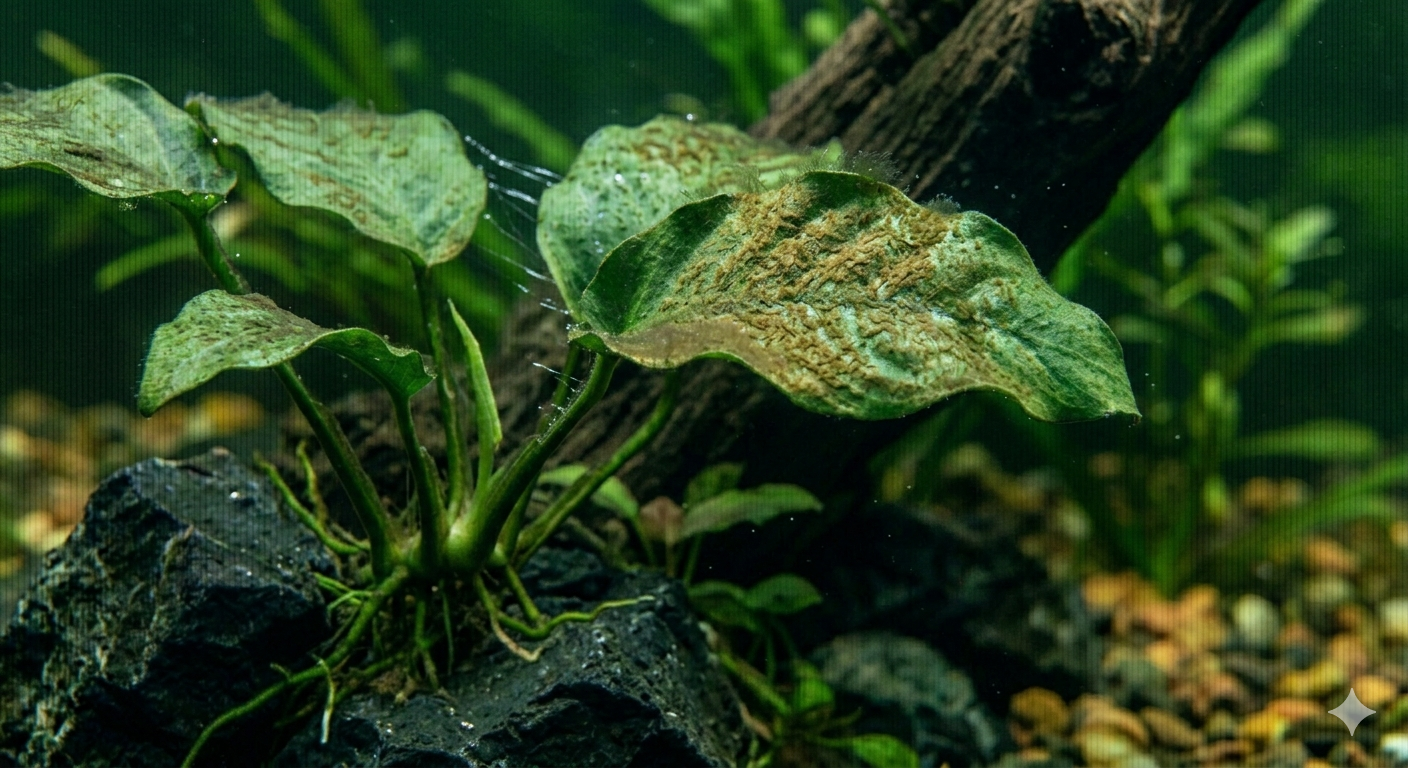
Anubias barteri
Anubias spp.
SAFE
All varieties · shade-tolerant

Waxy, unpalatable leaves snails won't eat. Broad leaf surfaces accumulate biofilm that snails eagerly graze — keeping the plant surface clean naturally.

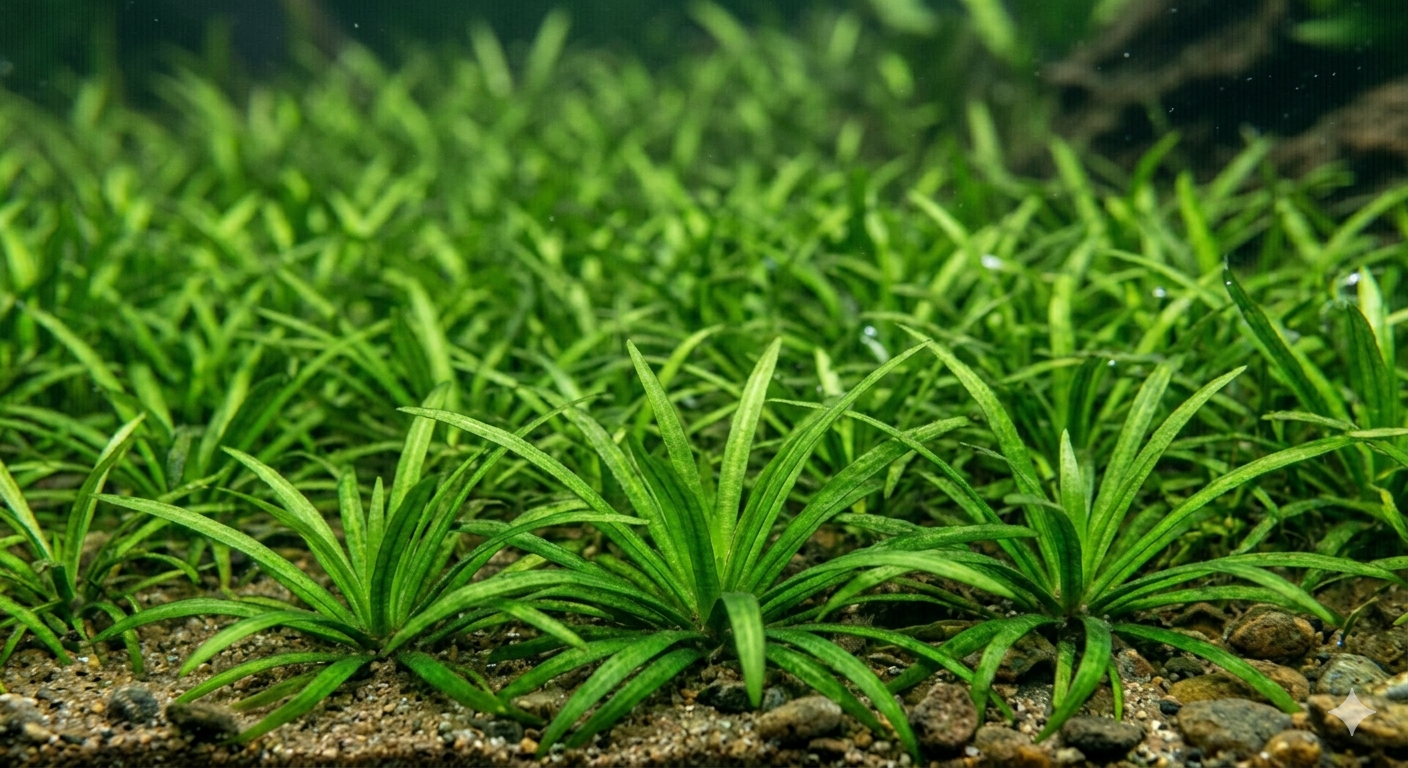
Dwarf Sagittaria
Dwarf Sagittaria
SAFE
Sagittaria subulata

Grass-like foreground carpet; snails navigate freely between blades. Thrives in hard water. Provides ground-level cover and extensive biofilm surface area.

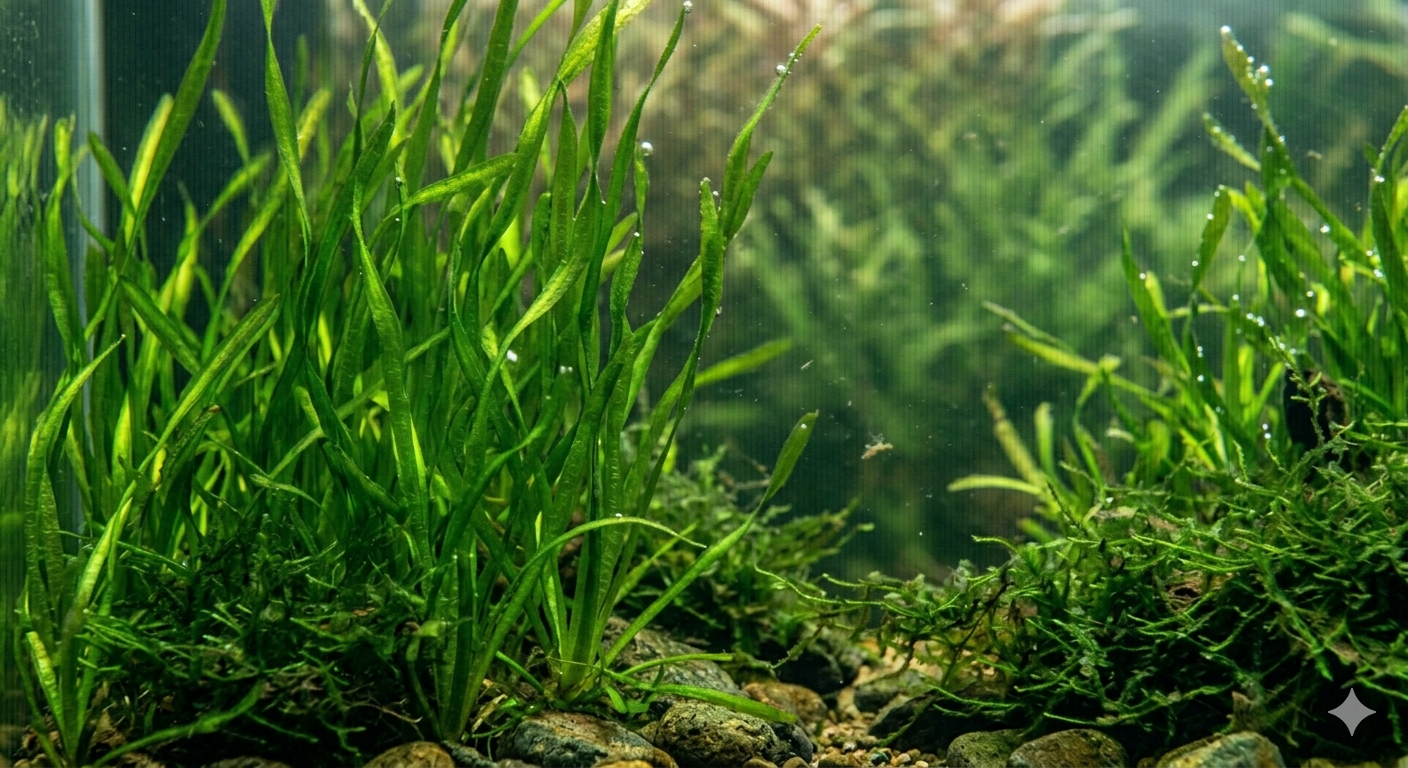
Vallisneria and Java Moss
Vallisneria / Java Moss
SAFE
Hard-water loving · Hornwort compatible

Java Moss accumulates biofilm across its entire surface for continuous snail grazing. Vallisneria provides tall background coverage with zero palatability risk.

Module 04 · Ecosystem Integration

Tank Compatibility

Compatibility must be evaluated across three independent threat vectors shell-crushing predation opportunistic soft-tissue nipping chemical toxicity.

Predator Risk Assessment
Compatible Species · Verified Safe

Safe Tank Mates

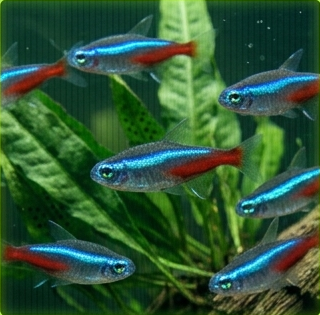
Neon Tetras
Neon / Ember / Cardinal Tetras SAFE ✓
Small-mouthed schooling fish physically incapable of harming snails. Near-perfect water parameter overlap (pH 7.0–7.8, moderate GH). Aesthetically stunning companions for any mystery snail setup.
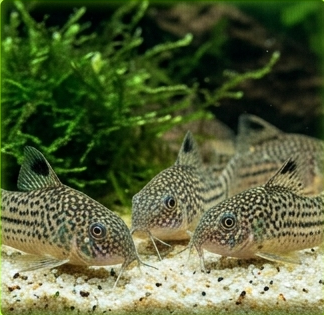
Corydoras
Corydoras spp. (All varieties) SAFE ✓
Armoured bottom-dwellers; zero aggression toward gastropods. Identical water chemistry requirements — sinking food placements benefit both species simultaneously.
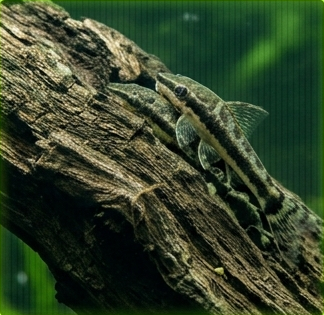
Otocinclus
Otocinclus Catfish SAFE ✓
Algae-grazing micro-catfish. Otos frequently ride snail shells to graze biofilm off the shell surface — harmless grazing behaviour, not predation.
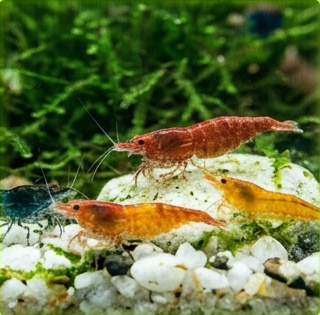
Dwarf Shrimp
Dwarf Shrimp (Cherry, Amano, Crystal) SAFE ✓
All Neocaridina and Caridina coexist peacefully with mystery snails. Both groups benefit from identical calcium-rich water chemistry.
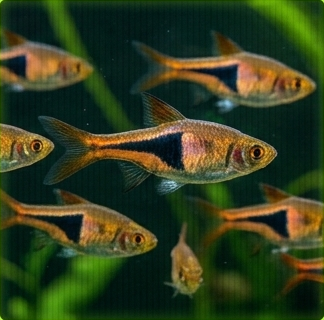
Rasboras
Rasboras, Danios, White Cloud Minnows SAFE ✓
Fast mid-water schoolers occupying entirely different tank zones. White Cloud Minnows ideal for cooler longevity-focused setups (20–24 °C).
Other Mystery Snails
Other Mystery Snails / Nerite Snails SAFE ✓
Conspecifics coexist with zero aggression. Nerites complement perfectly — algae grazers that cannot reproduce in freshwater, preventing population explosions.
Predator Database · Threat Levels

Incompatible Tank Mates

Pufferfish — ALL species (LETHAL)
Pufferfish are obligate mollusc predators evolved specifically to crush snail shells with their fused beak-like teeth. Dwarf puffers (Carinotetraodon travancoricus) will systematically eliminate an entire mystery snail colony within days. There are no exceptions — no individual pufferfish can be "trained" or "kept separate" safely in the same aquarium system.
Clown Loach, Yo-yo Loach, Zebra Loach (LETHAL)
Loaches of the family Botiidae evolved a highly specialised oral morphology — a flexible subterminal mouth with modified dentition capable of extracting snail bodies through the opercular opening. Even a sealed, healthy operculum is insufficient protection against persistent loach extraction attempts. Loaches are deliberately used in pest snail control for this reason.
Oscars, Large Cichlids, Jack Dempsey (LETHAL)
Large cichlids, while unable to crush adult mystery snail shells directly, exhibit aggressive investigatory biting that destroys exposed soft tissue — tentacles, siphon, and foot are bitten off during repeated harassment. Fatal blood loss and secondary infection follow within days. Small cichlids (Apistogramma spp., German Blue Rams) may be compatible but require case-by-case monitoring in large tanks.
Crayfish & Freshwater Crabs (HIGH RISK)
Both groups possess powerful claws capable of breaking mystery snail shells. Predation typically occurs nocturnally when snails are resting and the operculum is sealed. Even "dwarf" crayfish species exhibit snail predation behaviour. Not recommended regardless of tank size.
Betta Fish — Individual Dependent (MONITOR)
Betta behaviour toward mystery snails varies dramatically by individual. Some bettas completely ignore snails; others nip tentacles and antennae repeatedly, causing chronic stress and injury. Introduce betta and snail simultaneously rather than adding a snail to an established betta territory. Observe closely for 72 hours and separate permanently if any fin-nipping or snail harassment is observed.
Goldfish (RISKY)
Goldfish are opportunistic omnivores that persistently mouth and nip snail soft tissue, causing stress, tentacle loss, and eventual death even when unable to break the shell. Additionally, goldfish thrive at 18–22 °C while mystery snails require 25–28 °C — a fundamental thermal incompatibility that compromises one species' health regardless of the temperature compromise chosen.
Module 05 · Nutrition Science & Husbandry

Diet & Daily Care

Nutritional biochemistry specific food protocols calcium homeostasis management and the daily weekly maintenance schedule.

Nutrition Science · Routine Protocol
Nutritional Biochemistry

Dietary Data Module

P. diffusa is a detritivore-herbivore with an omnivorous tendency in captivity. Three nutritional priorities must be balanced simultaneously: adequate calcium intake (for shell biomineral deposition), protein (for soft-tissue maintenance, mantle secretion, and reproductive output), and carotenoids (for pigmentation health and immune function). Overfeeding any single food category while neglecting others creates nutritional imbalances that manifest as shell erosion, poor coloration, or reduced fecundity.

Calcium-rich Vegetables (blanched zucchini, spinach, kale, broccoli) 40%
Blanch all vegetables for 30–60 seconds in boiling water before offering — this softens the cellular matrix, improves palatability, and removes oxalic acid from high-oxalate greens (spinach, kale) that can otherwise impair Ca²⁺ absorption in the gut.
Biofilm & Algae (periphytic film + spirulina wafers) 30%
Natural periphytic biofilm (the thin microbial community coating hard surfaces) is the most nutritionally complete and bioavailable food source. A well-lit tank with 8–10 hours of moderate lighting per day maintains sufficient biofilm on glass, decorations, and plant leaves. Spirulina-based algae wafers supplement in low-biofilm environments.
Protein-rich gel food (Repashy, Vitalis, DIY gel) 20%
Gel foods (Repashy Soilent Green, Bottom Scratcher) provide concentrated protein, vitamins, and minerals in a water-stable format. Essential for breeding females — protein demand increases dramatically during oviposition. Gel foods dissolve slowly, minimising ammonia risk from uneaten food versus powder supplements.
Sinking pellets / commercial supplemental foods 10%
High-quality sinking pellets (NLS, Hikari Sinking Wafers) provide trace minerals and vitamin premixes. Use sparingly — standard commercial pellets dissolve quickly and are ammonia-risk foods. Never leave uneaten pellets in the tank beyond 2 hours.
Calcium Homeostasis — The Critical Variable

Shell deposition rate is directly proportional to the concentration of dissolved calcium (Ca²⁺) and bicarbonate (HCO₃⁻) in the water, the ambient pH, and the snail's dietary calcium intake. At pH 7.4–7.8 with GH 14–18 dGH, the water is supersaturated with respect to aragonite — the mantle can deposit new shell material efficiently. Below pH 7.0, the water becomes aragonite-undersaturated; dissolution exceeds deposition and shells thin, pit, and eventually perforate. Dietary calcium from blanched kale, broccoli stems, and cuttlebone provides the supplemental calcium needed when water hardness alone is insufficient for maximum shell repair rates.

Cuttlebone
Passive pH-reactive Ca²⁺ release. Self-limiting — dissolves faster in low pH. Best long-term supplement.
Crushed Coral
Place in filter media. Raises both GH and KH. Prevents pH crash. Excellent in soft-water regions.
Wonder Shell
Mineral block with multiple electrolytes. Fast-acting. Useful for acute calcium-deficiency recovery.
Routine Protocol

Daily & Weekly Care

Feeding Schedule Reference
Blanched zucchini / spinach / kale Every 2–3 days
Spirulina algae wafers 2–3× per week
Repashy / protein gel food 1–2× per week
Cuttlebone (passive in-tank) Continuous · replace monthly
Blanched broccoli stem (calcium boost) 1× per week
Sinking pellets (supplement) 2–3× per week · remove in 2 hr
Module 06 · Reproductive Biology

Breeding & Reproduction

Complete reproductive biology from dioecious sexing through incubation humidity science, hatchling first-week protocols, and colony population management strategies.

Clutch Incubation Pipeline

Phase 1 · Day 0 — Oviposition

Clutch Deposition

Oviposition

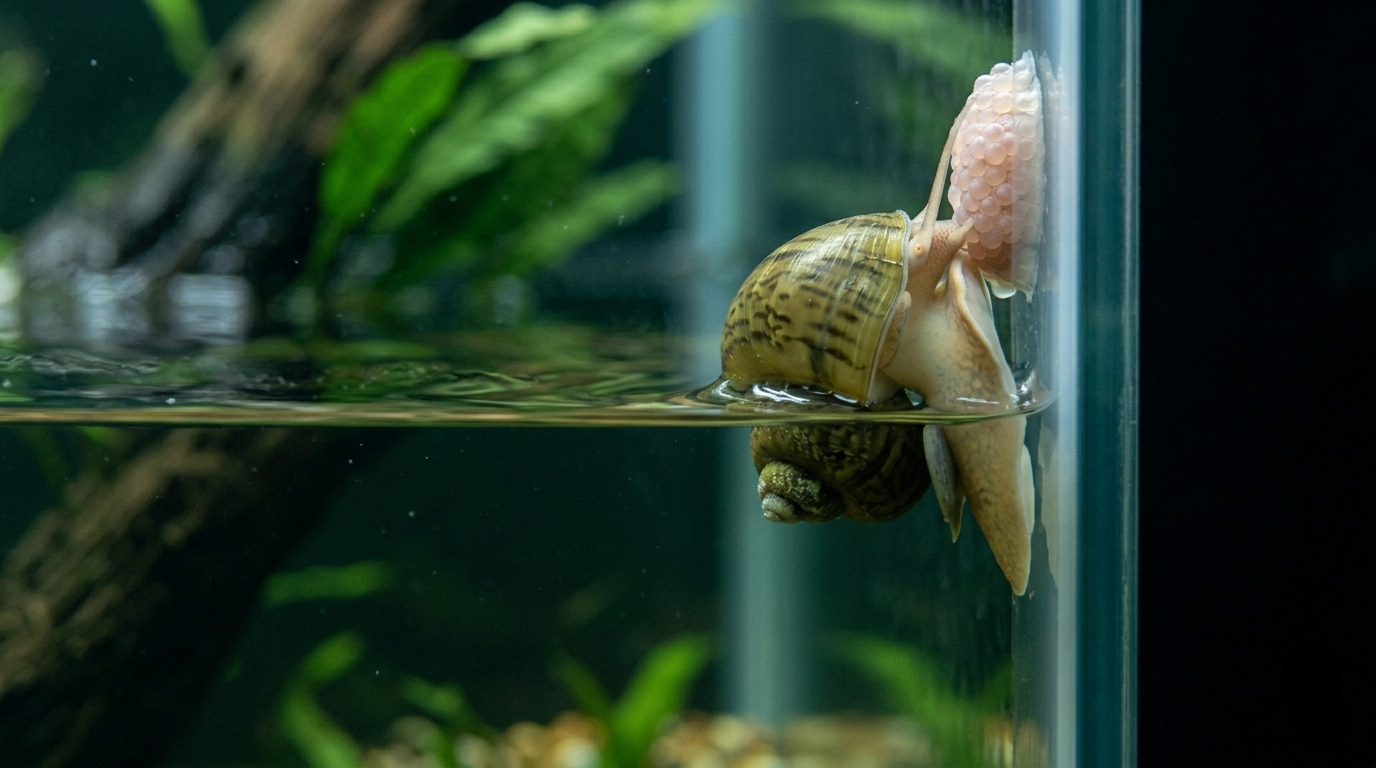
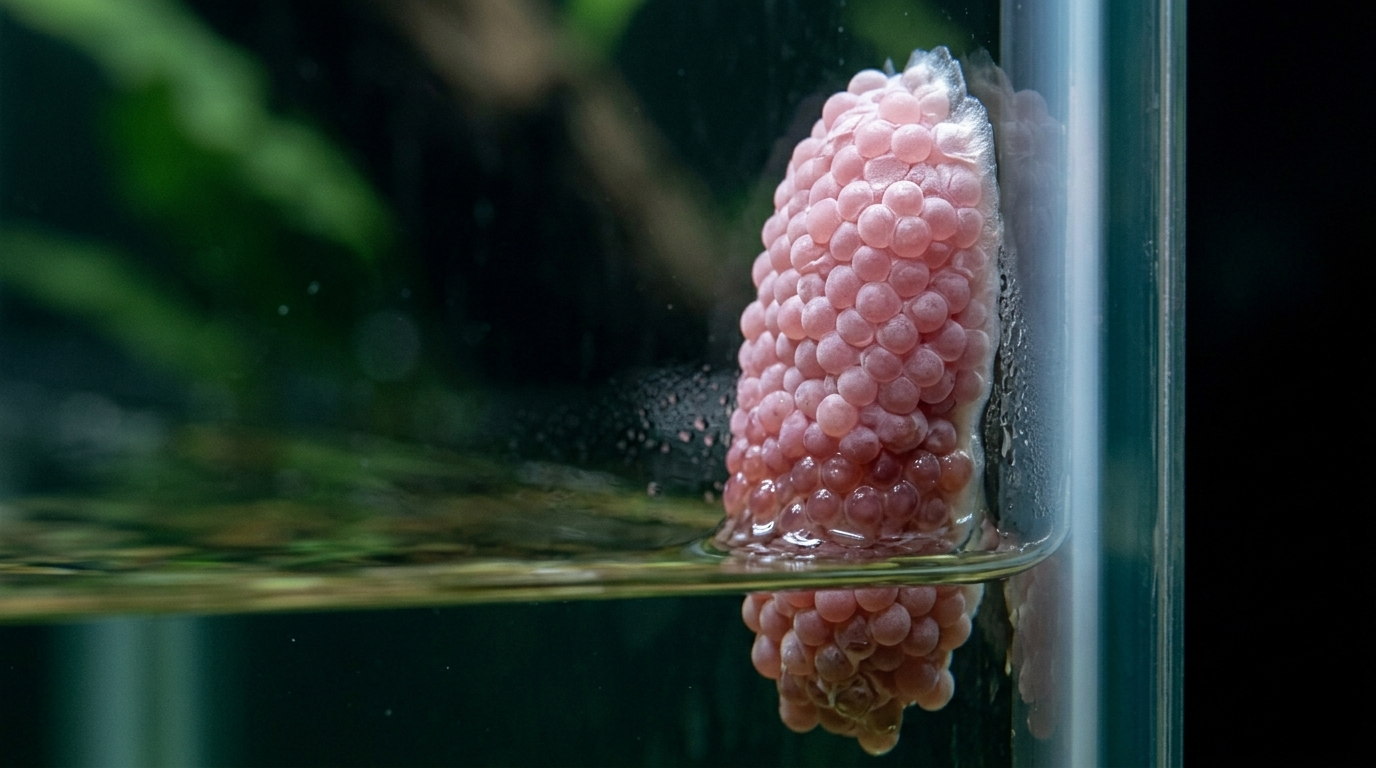
Female P. diffusa ascend above the waterline — typically 1–3 hours after lights-off — and deposit a compact, calcified egg mass on a dry surface: glass, lid underside, or filter equipment above the water. Each clutch contains 50–200 spherical eggs (1.5–2 mm diameter) arranged in tight rows within a pink-to-magenta, slightly waxy, rigid matrix that hardens on air contact within minutes. Lower water level 8–10 cm from the lid; increase protein and calcium feeding 10–14 days prior. Stored sperm can fertilise multiple successive clutches over months.

Phase 2 · Days 1–21 — Incubation

Humidity Saturation Management

Clutch incubation

Target microclimate: 80–90% relative humidity — high enough to prevent embryo desiccation, but with no direct water contact. In a tightly covered aquarium with water at 26–28 °C, evaporation naturally maintains this band. For transferred clutches: place on an elevated platform above 1–2 cm of water. Mist container interior lightly every 48 hours if clutch appears dusty-dry. At 26 °C, development completes in 16–20 days; at 22 °C, 25–35 days. Never peel or manually separate eggs — the calcified matrix provides essential structural support and humidity regulation.

Phase 3 · Days 16–28 — Emergence

Emergence Phase & First-Week Protocol

Hatchling emergence

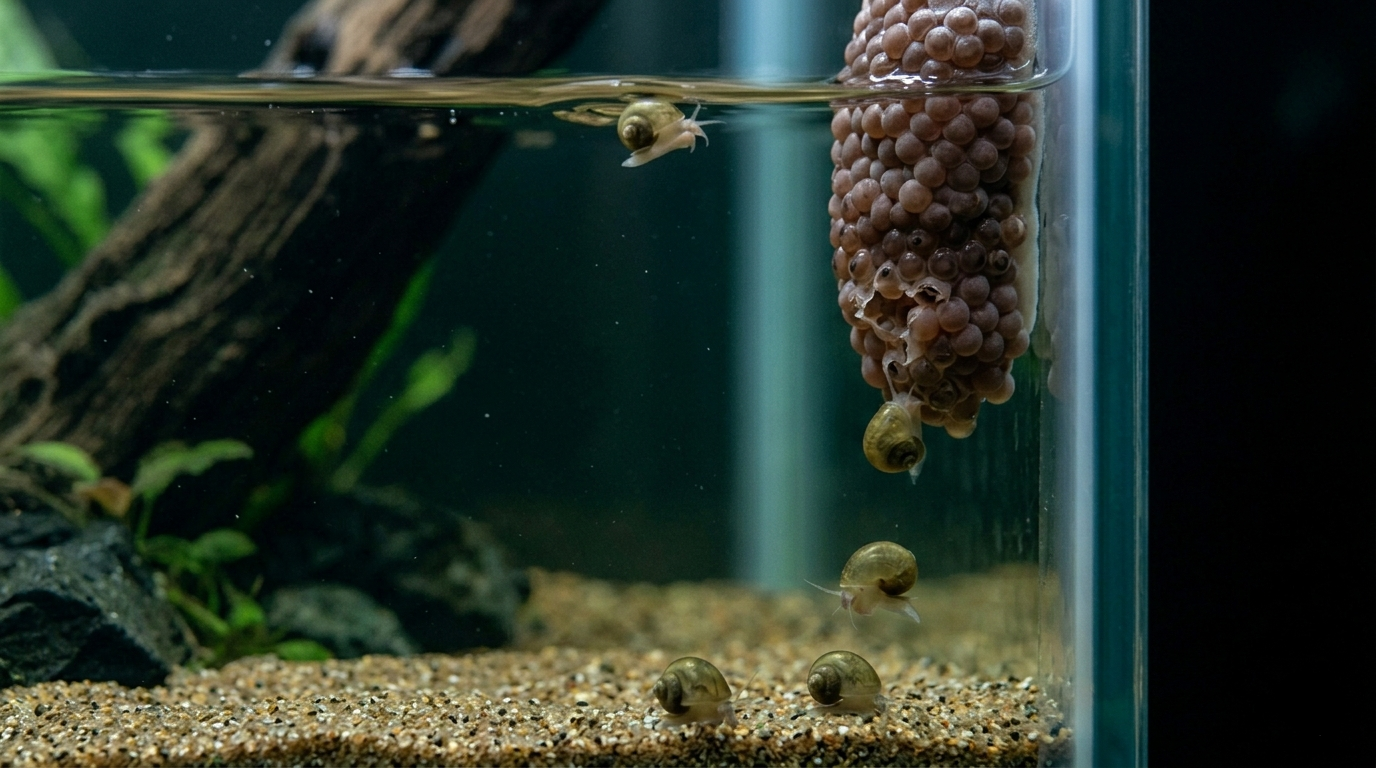
As hatching approaches, the clutch shifts from pink-magenta toward dark cocoa-brown. Hatchlings dissolve their egg-cell wall enzymatically, then drop into the water below over 12–36 hours. Critical first-week nutrition: hatchlings with access to natural algae biofilm within 8 hours of water entry achieve survival rates of 88–92%; those fed exclusively on commercial powder foods achieve only 60–68%. Pre-grow algae in the tank before anticipated hatching. Cover all filter intakes with fine sponge — hatchlings are 2–3 mm and easily ingested by unprotected intakes.

Clutch Viability Assessment by Stage
Days 0–3 — Bright pink-magenta, firm matrix: Fresh, viable clutch. The calcified outer layer is still hardening. Colour indicates freshly deposited haemolymph-derived pigments in the egg coating.
Days 4–14 — Darkening to cocoa-brown, small dark spots appearing: Healthy development. The dark spots are developing embryo shells visible through the translucent matrix. Normal discolouration.
Days 14–21 — Grey-brown, matrix softening, dark spirals clearly visible: Pre-emergence stage. Clutch should feel slightly soft and yielding. Do not disturb.
Any Stage — White/pale, no colour change, may show white fuzzy mould: Infertile or non-viable clutch. Remove immediately to prevent mould spreading to viable clutches and to maintain water quality.
Reproductive Biology · Sexual Determination

Sexing Mystery Snails

P. diffusa is strictly dioecious — separate male and female sexes; no hermaphroditism. Accurate sexing requires direct visual inspection of the mantle cavity when the snail is fully extended and climbing vertical glass.

Male PENIS SHEATH
  • • Pale, curved penis sheath visible in upper-right of mantle cavity
  • • ~5–8 mm long in adults; may retract when stressed
  • • Best observed when snail climbs vertical glass
  • • Allow 5–10 min of relaxed observation
Female NO SHEATH
  • • Mantle cavity is completely smooth — no penial sheath structure visible
  • • Definitive confirmation: lays calcified egg clutch above waterline
  • • May carry stored sperm for months after a single mating
  • • Often (not always) slightly larger shell than males
Colony size: Purchase 5–6 snails to statistically ensure a mixed-sex group. A group of 4 has a 12.5% chance of being single-sex; 6 snails reduces this risk to ~3%.
Critical: The Reproductive Dry Zone

Always maintain a minimum 2–4 inch (5–10 cm) dry air gap between the water surface and the tank lid. Without this "Reproductive Dry Zone," gravid females cannot deposit their clutches and may become egg-bound — a condition where calcified egg masses cannot be expelled, causing internal injury and death within days to weeks. Egg-binding is one of the most common preventable causes of female mystery snail mortality in captivity. If a female is observed repeatedly attempting to exit the water over 24–48 hours without successfully laying, lower the water level immediately and inspect the lid area for adequate dry surface.

Population Control Strategies

Method 1 — Eliminate the Dry Zone: Maintain water level within 2–3 cm of the lid; no accessible dry surface = no successful egg deposition. Method 2 — Clutch removal: Remove fresh clutches within 24–48 hours of deposition by scraping gently with a credit card — before the matrix fully hardens. Method 3 — Single sex: Keep only females or only males. Note: females may carry stored sperm at time of purchase and produce fertile clutches for several months even without a male present. Removing the male does not immediately stop reproduction.

Module 07 · Clinical Pathology

Shell Health &
Common Pathologies

Shell condition is the primary bioindicator of systemic health in P. diffusa.
Early identification and intervention can fully arrest
most shell pathologies and allow partial recovery.

Translucent Shell Edge

Calcium Deficiency · Low pH

The aperture growth edge appears glassy and paper-thin. The mantle epithelium cannot deposit aragonite fast enough — Ca²⁺ concentration is inadequate, pH is below supersaturation threshold, or dietary calcium is deficient.

Raise GH to ≥12 dGH immediately
Raise pH to 7.4–7.8 with cuttlebone
Feed blanched kale + broccoli stems
New opaque growth visible in 10–14 days

Shell Pitting & Erosion

Carbonic Acid Dissolution · pH <7.0

Localised pinholes and rough pitting in existing whorls. Carbonic acid (H₂CO₃) dissolves the aragonite biomineral directly. When the periostracum is chemically damaged, dissolution accelerates. Existing pits do not repair — only new aperture growth will be healthy.

Add Wonder Shell for acute mineral replenishment
Use Seachem Equilibrium to raise GH safely
Increase water change frequency to 30% bi-weekly

Operculum Assessment

Clinical Distress Indicator

Healthy: Firm, flat, completely seals aperture. Early warning: Slightly sunken/deflated — calcium or protein deficiency. Critical: Loose, detaching or absent — emergency. Snails sleep up to 13 hours; confirm death by odour test (H₂S).

Isolate immediately; emergency 50% water change
Test NH₃, NO₂, pH, Cu²⁺ simultaneously
Smell test confirms death — H₂S odour is immediate
Contraindicated Substances · Acute Toxicity Protocol
/copper-toxic-mystery-snail/

Copper (Cu²⁺) is acutely lethal to all molluscs and crustaceans at concentrations as low as 0.015–0.02 mg/L — well below what standard aquarium test kits can reliably detect. The mechanism of toxicity involves Cu²⁺ binding to haemocyanin (the copper-based oxygen-transport protein in gastropod haemolymph), disrupting gill membrane function, and inhibiting key enzymatic processes. Exposure causes rapid respiratory failure. There is no reversible threshold — any detectable copper in a mystery snail tank represents a lethal risk. Always read the full ingredient list of any aquarium product before use. Note that many commercial fertilisers list copper as a micronutrient (often as copper sulfate or copper EDTA) at concentrations that, while safe for fish, exceed the lethal threshold for snails.

⚠ Ich / white spot treatments: most contain copper sulfate (CuSO₄) as the active ingredient
⚠ Planted tank fertilisers: check for "copper sulfate," "cupric sulfate," or "Cu" in trace element blends
⚠ Fish foods: some commercial fish foods contain copper sulfate as an ingredient
⚠ Tap water from copper plumbing: use full-spectrum dechlorinator that neutralises heavy metals (e.g. Seachem Prime)
⚠ General anti-parasitic or anti-fungal treatments: always verify copper-free formulation
copper toxicity fertilizer snail safety CuSO₄ lethal threshold copper toxic snails
Recovery Target Parameters
7.6
pH target
14 dGH
GH target
0
Cu²⁺ ppm
Calcium Supplement Comparison
Cuttlebone Best long-term
Passive pH-reactive Ca²⁺ release. Dissolves faster in low pH — self-limiting and pH-buffering simultaneously.
Crushed Coral Filter media
Raises both GH and KH. Prevents pH crash in soft-water regions. Place directly in filter media tray.
Wonder Shell Acute recovery
Mineral block with electrolytes. Fast-acting — useful for acute deficiency recovery and emergency correction.
Common Questions · Quick Reference

Frequently Asked Questions

My snail hasn't moved in 2 days — is it dead?
Mystery snails can sleep for up to 13 hours straight. Check the operculum: if it's firmly shut, the snail is just resting. If it's detaching or the snail floats with a foul sulfur odor — it's deceased. Remove dead snails immediately as they cause large ammonia spikes.
Why is my snail's shell pitted or turning white?
Almost certainly low calcium or low pH. Shell material (aragonite) dissolves in acidic water. Fix: raise pH to 7.4–7.8, add cuttlebone, raise GH to 12–18. New shell growth appears at the aperture within weeks — old damage won't repair, but growth continues healthily.
How do I tell male from female?
Hold the snail up and look into the opening when fully extended. Males have a visible penis sheath in the upper right of the mantle cavity. Females have no such structure. It's easiest to check while the snail is climbing glass. Buy 5–6 snails to ensure a good mix of sexes.
How do I successfully hatch a mystery snail clutch?
Leave the clutch in place above the waterline. Keep the lid on tightly to maintain 80%+ humidity. Temperature 25–28°C. Hatchlings are fully independent and fall into the water. Ensure algae growth in the tank beforehand — first-week algae access raises survival from ~64% to over 90%.
Can mystery snails live with bettas / shrimp / other snails?
Safe: neon tetras, corydoras, otocinclus, ember tetras, dwarf shrimp (cherry, amano), rasboras, white cloud minnows. Risky: bettas (individual-dependent). Avoid: pufferfish, loaches, cichlids, crayfish, crabs. Other mystery snails coexist peacefully.
AquaSnail Hub · Publishing Pipeline

Species Directory & Roadmap

This wiki is Vol. 01 of a growing multi-species archive. Each volume covers one genus in full scientific depth.

SYS:
🟢
Mystery Snail Archive Vol. 01 · LIVE
Pomacea diffusa · 7 modules · 100% complete
🟡
Nerite Snail Archive Vol. 02 · Data Compiling
Neritina spp. · Est. June 2026
35%
Rabbit Snail Archive Vol. 03 · Planned
Tylomelania spp. · Timeline TBD